MidLincoln View: The Next Economy Is Human

Why Capital Is Moving from Machines to People — July 6, 2026

Economics teaches us that people maximize utility. What changes over time is not the desire to maximize utility, but the definition of utility itself.

In poor societies, utility is measured in calories, shelter, and security.

In wealthy societies, it is increasingly measured in health, time, relationships, and purpose.

For most of economic history, societies accumulated physical capital. Factories, roads, machines, and buildings defined national wealth. Investment flowed toward things that could be built, operated, and depreciated. Human beings were inputs to production—labor to be deployed, not capital to be cultivated.

That era is ending.

The twenty-first century may be remembered as the century in which investment gradually shifted toward human capital—not simply education, but health, longevity, emotional resilience, and quality of life.

Wealth changes the objective function. Poor societies maximize survival. Rich societies maximize quality of life.

This essay examines how that shift is manifesting across three domains: emotional capital, productive lifespan, and human optimization.

I. Emotional Capital: Why We Love Dogs

At first glance, the pet economy appears unrelated to macroeconomics.

It isn't.

Dogs are an investment in emotional capital.

Think about it. People buy dogs because dogs generate:

  • Companionship
  • Routine
  • Happiness
  • Exercise
  • Community
  • Emotional stability

Economists don't have a balance sheet for this. But maybe they should.

As societies become wealthier, spending increasingly shifts from necessity toward emotional well-being. Pets have become part of household capital—not financially, but emotionally. They provide companionship, reduce stress, and improve mental health. They are an investment in the quality of life, not the quantity of possessions.

The global pet market is now worth over $300 billion annually and growing faster than GDP in most developed economies. Pet ownership correlates with income. Pet spending rises faster than GDP. Pet services have become a significant economic sector.

What does this reveal?

Three things.

First, the pet economy is a leading indicator of where consumer spending is heading. If households will spend on pets before they spend on other categories, then pet spending predicts broader shifts.

Second, the pet economy reveals something about declining birth rates. In many developed countries, pets are replacing children. They are cheaper, more predictable, and provide companionship without the long-term obligations. This is not a trend to be lamented; it is a structural reality that investors must understand.

Third, the pet economy reflects a deeper truth: modern consumers increasingly value emotional returns over material returns. The dog provides more utility than the second car. The cat provides more value than the vacation home.

II. Productive Lifespan: Why Fitness Matters

Fitness reflects another structural transition.

Healthcare is gradually shifting from treatment toward prevention. People increasingly invest in themselves long before illness appears.

But fitness is not about health. It is about productive lifespan.

Companies used to optimize machines. Now they optimize people. An employee who remains productive until 75 instead of 60 is an enormous economic asset. Longevity isn't healthcare. It's productivity.

Consider the components of the fitness economy:

CategoryWhat It Includes
NutritionPremium food, supplements, meal delivery
FitnessGyms, equipment, classes, training
Wearable technologyTracking, monitoring, health data
Mental healthTherapy, meditation, apps, retreats
LongevityResearch, interventions, optimization

The fitness economy is growing faster than GDP in most developed markets. It represents a shift in how people think about their bodies and their time.

Three reasons this matters for capital allocation.

First, healthcare costs are becoming unsustainable. The shift from treatment to prevention is not just a consumer preference; it is an economic necessity. Societies that invest in prevention will spend less on treatment.

Second, the fitness economy is creating new investment opportunities. Gyms, wearables, nutrition brands, and longevity research are all attracting capital. The companies that succeed will be those that understand the shift from reactive to proactive health.

Third, fitness reflects a change in how people value time. The person who spends an hour at the gym is investing in future productivity. The person who spends an hour watching television is consuming leisure. The difference matters for economic growth.

Perhaps the most valuable asset on any balance sheet is human capital. Investing in that asset yields returns that compound over decades.

III. Human Optimization: From Healthcare to Human Capital

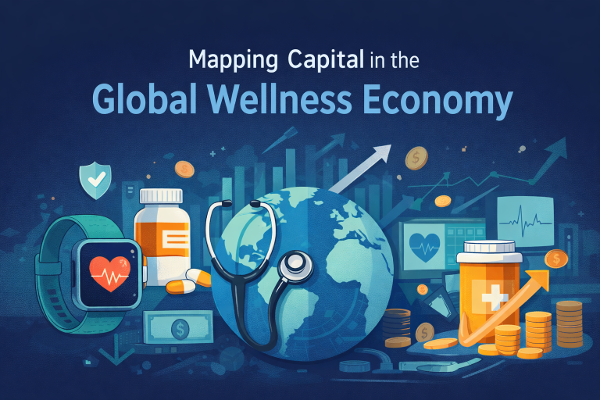
The combination of these trends creates an economic sector that barely existed a generation ago.

But I would not call it "wellness" or "healthcare."

I would call it human optimization.

Healthcare sounds defensive. It is about treating illness. Human optimization is about maximizing potential. It is the logical extension of a wealthy society's shift from survival to quality of life.

The human optimization economy includes:

  • Premium nutrition
  • Fitness facilities and equipment
  • Wearable technology and health monitoring
  • Mental health services
  • Longevity and preventive care
  • Pet care and services
  • AI-powered health diagnostics
  • Personalized medicine
  • Sleep optimization
  • Cognitive enhancement

This sector is now worth over $5 trillion globally and growing at approximately 8% annually—significantly faster than global GDP.

What's driving this growth?

Three demographic trends:

First, aging populations that prioritize health spending. Older people spend more on health, wellness, and longevity than younger people. As the world ages, the human optimization economy expands.

Second, declining birth rates that free disposable income. Households with fewer children have more money to spend on themselves—and on their pets.

Third, urbanization that makes optimization services accessible. Cities have more gyms, more health food stores, more wellness providers, and more technology infrastructure.

These trends are not temporary. They will persist for decades. Human optimization is not a fad; it is the natural outcome of wealth and longevity.

Artificial intelligence will accelerate this shift.

Wearables enable continuous monitoring. AI enables personalized nutrition. Digital doctors enable lower-cost healthcare. Machine learning enables early disease detection. Longevity research benefits from AI-driven drug discovery.

The combination of human optimization and artificial intelligence may produce the most significant improvement in human health and productivity since the discovery of antibiotics.

IV. Why GDP Stops Explaining Happiness

There is a well-known economic puzzle: beyond a certain point, additional income does not increase happiness.

This is called the Easterlin Paradox. It was first identified in the 1970s and has been confirmed repeatedly. Once basic needs are met, money matters less. Relationships, health, and meaning matter more.

The pet economy, the fitness revolution, and the human optimization industry are all expressions of this insight.

Why does GDP stop explaining happiness?

Because happiness is not a function of consumption. It is a function of:

  • Health: physical and mental
  • Relationships: family, friends, community
  • Meaning: purpose, contribution, growth
  • Time: autonomy, leisure, rest

These are the dimensions of human capital. They are the things wealthy societies optimize when they no longer need to worry about survival.

V. Japan: The Laboratory

One country deserves its own section.

Japan is the laboratory.

Japan is old. Japan is rich. Japan is healthy. Japan has low fertility. Japan has high pet ownership. Japan has high longevity. Japan has automation. Japan has a shrinking population.

Everything discussed in this essay, Japan has already experienced.

Consider the data:

  • Japan has the oldest population in the developed world
  • Japan has the highest life expectancy
  • Japan has one of the lowest fertility rates
  • Japan has one of the highest pet ownership rates
  • Japan has invested heavily in robotics and automation
  • Japan has a wellness economy that is mature and sophisticated

Japan is almost a glimpse into the future of Europe, and eventually, America.

What can investors learn from Japan?

First, the human optimization economy is not a passing trend. It is a structural consequence of aging and wealth. Japan's experience confirms that once societies become wealthy and old, they spend more on health, wellbeing, and companionship.

Second, automation complements human optimization. As populations shrink, productivity must rise. Japan's investment in robotics and AI is not a substitute for human capital; it is a complement to it.

Third, Japan shows that decline is not inevitable. A country can age gracefully if it invests in human capital, technology, and quality of life.

Analyst's Takeaway

Let us summarize the shift:

CategoryOld ModelNew Model
FoodCaloriesNutrition
HealthTreatmentPrevention
SpendingGoodsExperiences
ValuePossessionsWellbeing
InvestmentPhysical assetsHuman capital
ObjectiveSurvivalQuality of life

The next economy is human.

Capital is moving from machines to people. From factories to health. From possessions to relationships. From consumption to optimization.

What does this mean for investors?

Four implications.

First, consumer spending is shifting from goods to experiences. The companies that provide experiences—fitness classes, pet services, wellness retreats—will outperform those that provide products.

Second, the premium is shifting to quality. People who care about their health and wellbeing will pay more for better food, better fitness, better care. Premiumization is a structural trend.

Third, the geography of consumer spending is changing. Human optimization spending is concentrated in wealthy, urban, educated populations. Companies that serve these populations will grow faster than those that serve mass markets.

Fourth, longevity and productivity are becoming the same thing. The company that helps people remain productive longer will create enormous economic value.

The wealthiest societies no longer maximize consumption. They maximize human potential.

Economic development begins by producing more goods. It matures by producing better lives.

For most of economic history, societies accumulated physical capital. Factories, roads, machines, and buildings defined national wealth. The twenty-first century may be remembered as the century in which investment gradually shifted toward human capital—not simply education, but health, longevity, emotional resilience, and quality of life.

If so, the fastest-growing industries of the coming decades will not merely help people live longer. They will help them live better.

— MidLincoln View

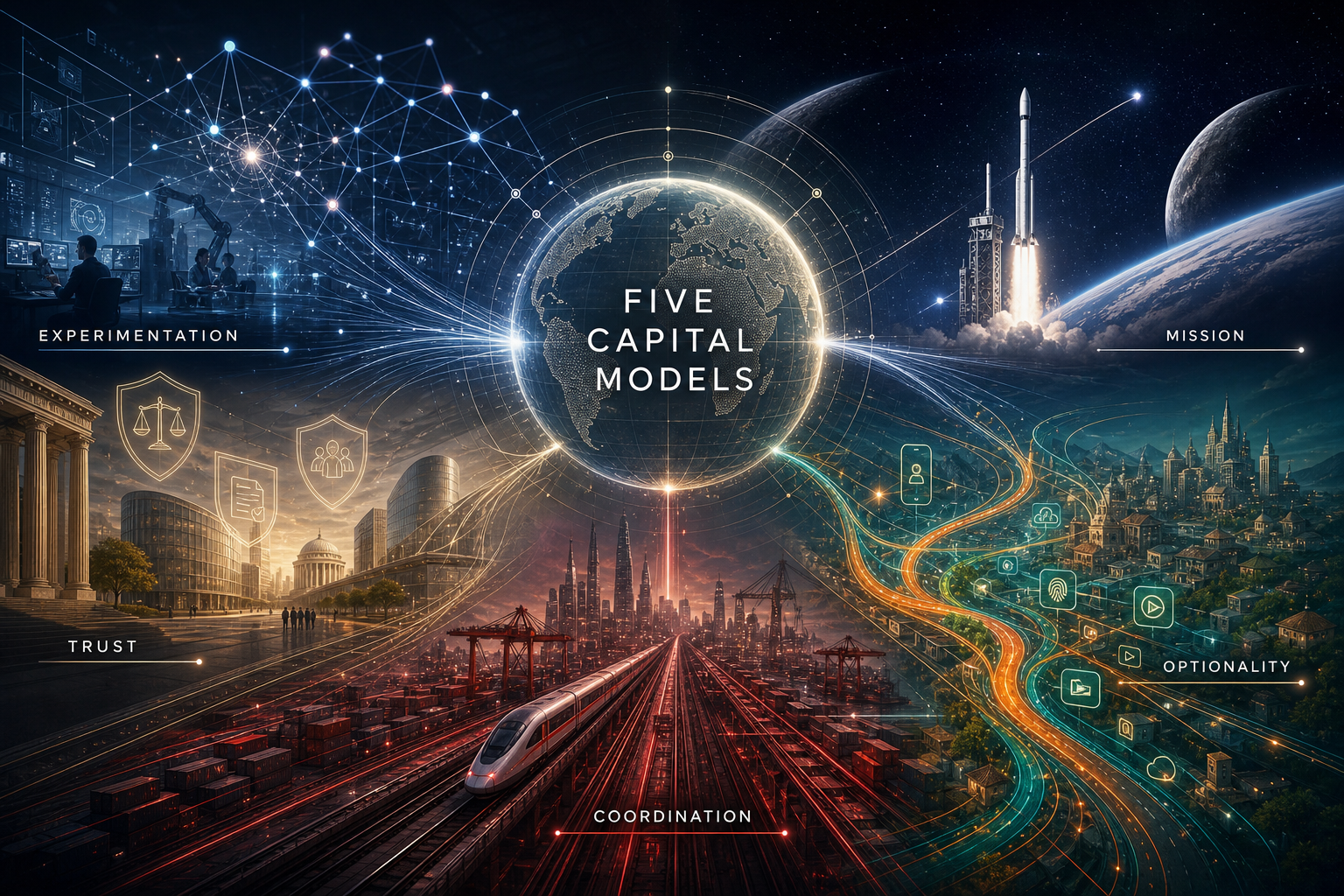
This essay is the third in a four-part series on the forces reshaping global capital allocation. The first essay examined five competing models of capitalism. The second examined macro cycles. The fourth will examine the privatization of infrastructure.

Next in the series: SpaceX and the Next Industrial Revolution
Current Opportunities and Consulting Offers

MidLincoln Opportunity

Sun in the Morning

redsunam.com · B2B2C Guided Change Platform

A route-based system that helps users navigate concrete personal change while enabling narrow themed deployments for organizations.

Current Focus Public opportunity page live. Investor access, deck requests, and product review route through MidLincoln.
View Opportunity
MidLincoln Opportunity

Prime Mining

Deep-Tech Blockchain Protocol

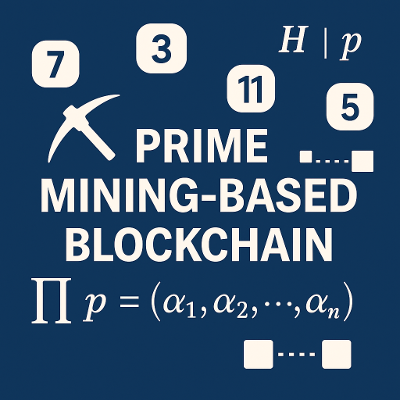
A deterministic prime-based blockchain architecture built around useful computation, cooperative verification, and post-quantum-oriented infrastructure.

Current Focus Frontier protocol opportunity. Public page frames the research, protocol path, raise logic, and investor fit.
View Opportunity
MidLincoln Opportunity

TradeFlow

Global Trade Finance Platform

A global invoice financing and trade finance operating platform for SMEs, counterparties, and capital partners.

Current Focus Invoice financing first, then broader cross-border trade workflows, underwriting, and capital orchestration.
View Opportunity
MidLincoln Research & Advisory

Modern Ranking Systems

Equity & Sovereign Selection Offering

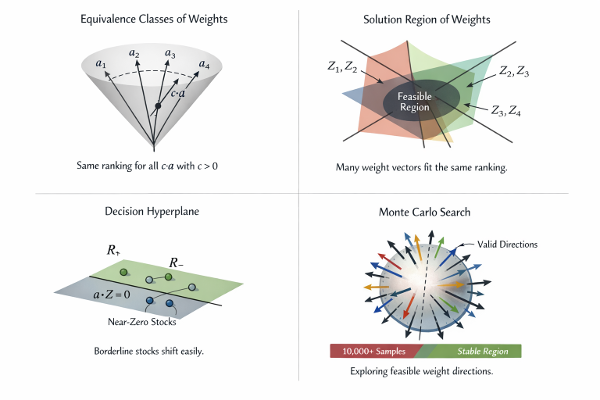
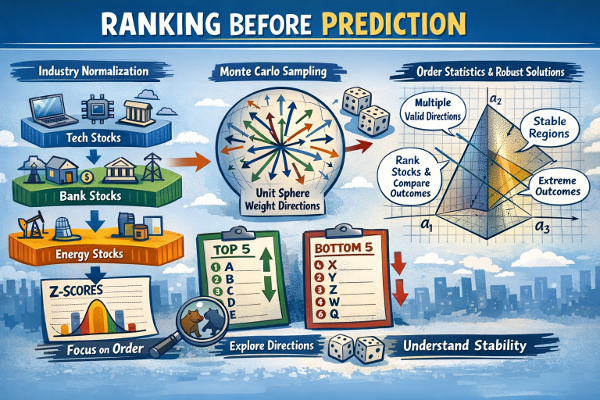
Contextual ranking research and advisory for equity selection, sovereign ranking, and model-stability diagnostics under regime uncertainty.

Current Focus Research and advisory work around ranking geometry, contextual factor systems, and robust selection frameworks.
View Offering